
Kanchanpur — Four local governments in Kanchanpur district have declared a public holiday on Sunday to celebrate the major festival of the Rana Tharu community, Teej. The municipalities granting the holiday include Punarbas Municipality, Belauri Municipality, Laljhadi Rural Municipality, and Beldandi Rural Municipality.
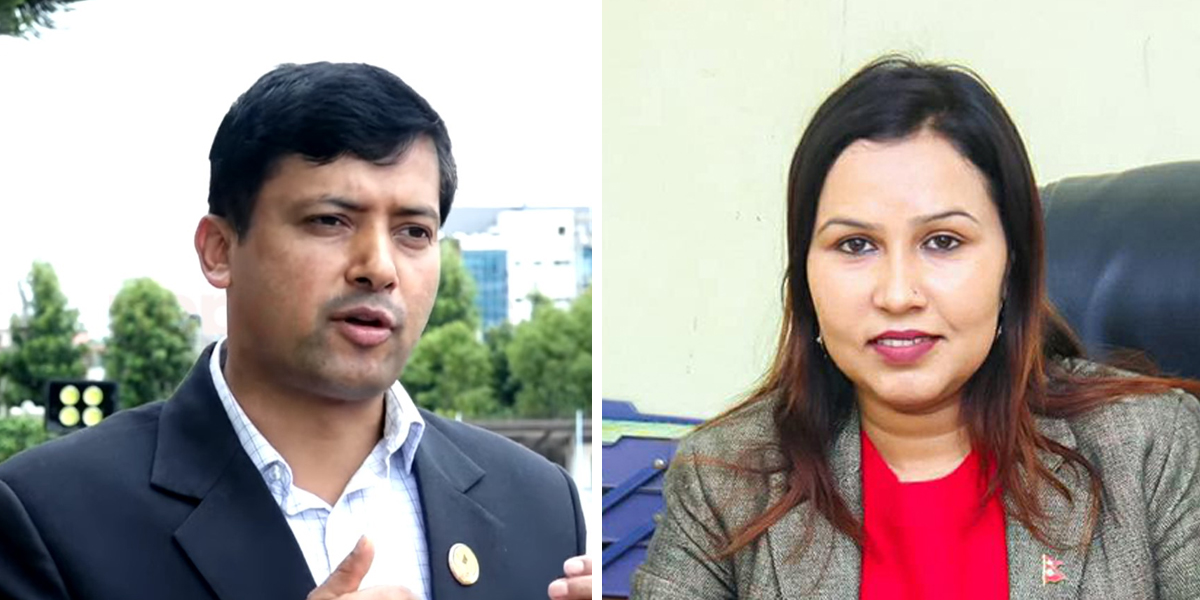
Acting Mayor of Belauri Municipality, Jogram Chaudhary, stated that the municipality prioritizes the festivals of all communities and has decided to grant a one-day public holiday on the occasion of the Rana Tharu Teej festival.
“In our multi-religious and multicultural nation, such festivals help strengthen social unity and brotherhood,” Chaudhary said, urging people to celebrate the festival in an economical and modest manner.
According to officials, Laljhadi Rural Municipality has announced public holidays on July 26 (Saun 11) and July 28 (Saun 13) for the Rana Tharu women’s Teej festival and the Tharu community’s Gurahi festival. Belauri and Punarbas municipalities have declared July 26 (Saun 11) as a public holiday.
The Rana Tharu community celebrates Teej on the third day of the bright half of the month of Shrawan (Shravan Shukla Tritiya). Traditionally, swings are installed in public spaces prior to the festival, an activity known locally as “Sawan ko Dola”.
Community leader Premwati Rana explained that, unlike other communities where women fast for their husband’s longevity, Rana Tharu women observe the Teej fast for their brothers’ long life. “Our sisters visit their maternal homes, play on swings, and pray for their brothers’ well-being,” she added. Women typically observe the fast at their parental homes during the festival.
Teej is considered the greatest festival of the Rana Tharu community, with a distinct identity and rich cultural heritage. Unlike Hindu women who observe Teej in Bhadra Shukla Tritiya, the Rana Tharu celebrate it in Shravan Shukla Tritiya. Preparations begin 15 days prior, with women inviting their sisters to join the festivities.
Local resident Chet Ram Rana said the festival is observed after completing agricultural work, serving as a time for relaxation and enjoyment. Before Teej, swings are set up for entertainment, and on the festival day, women dress in traditional attire, sing auspicious songs, and swing together. They also observe a strict fast, refraining even from drinking water, while praying for their brothers’ longevity.