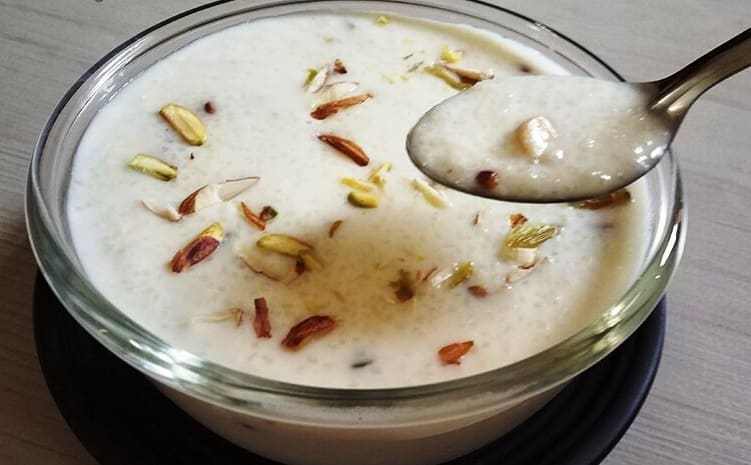

Today, on Saun 15 (15th day of the Nepali month of Saun), people across Nepal are celebrating the day by preparing and eating kheer (rice pudding), following a long-standing cultural tradition.
This day is part of a broader seasonal practice where dahi chiura (curd and beaten rice) is consumed on Asar 15, and kheer is enjoyed on Saun 15. Kheer, made by boiling rice with milk, sugar, and spices, is believed to have health benefits, particularly during the monsoon season.
In Sanskrit, kheer is referred to as “payas”, and it is regarded as a highly sattvic (pure) food. It holds religious significance and is often used in ancestral offerings and Vedic rituals.
The month of Saun is also noted for its lush greenery, leading to an abundance of fresh grass. As a result, cows and buffaloes produce more milk during this period. This surplus of milk traditionally inspired families to invite friends and relatives—especially daughters and sisters—to their homes to enjoy kheer together.
Saun is also considered the sacred month of Lord Shiva, who is believed to favor offerings made from milk and milk-based products. As such, kheer and other sweets are often ritually offered to Lord Shiva during this time.